Ahmed ElBatrawy: The Grand Egyptian Museum as a Model for a Modern, Transparent, and Digitally-Driven Real Estate Market in Egypt
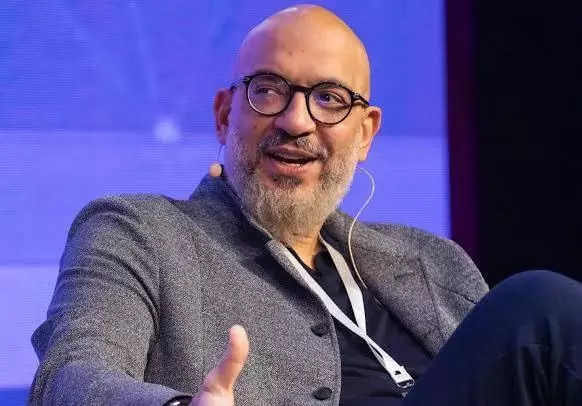
Prominent real estate expert and Founder & Chairman of the official “Masr Real Estate” platform, Ahmed ElBatrawy, affirmed that the national momentum created by the opening of the Grand Egyptian Museum represents a strategic opportunity for Egypt to advance its real estate sector toward a new stage based on organization, transparency, and digital transformation, in alignment with the country’s regional and global economic aspirations.
ElBatrawy stated that the Grand Egyptian Museum has offered the world a distinguished model that successfully integrates heritage with modern management and advanced technology, noting that Egypt’s real estate sector stands today before a similar opportunity to showcase its professional and administrative capabilities as one of the nation’s most vital economic pillars.
He highlighted that Egypt has successfully executed several landmark national and architectural projects meeting international standards in recent years, which sets the foundation for the next phase: establishing a structured real estate market built on data accuracy and trust.
ElBatrawy explained that while Egypt’s expansion in new cities and infrastructure development is a remarkable achievement, the upcoming stage must go beyond physical construction to focus on developing the market system itself, emphasizing that a regulated and transparent market is the true safeguard for protecting the rights of citizens and investors and for building a credible investment environment.
He stressed the importance of creating a unified digital real estate system that consolidates ownership records, transaction history, and actual price data—describing it as a “national necessity for reform.” Such a system, he noted, would eliminate data inconsistencies, provide reliable insights for decision-making, and reinforce investor confidence.
ElBatrawy outlined four key pillars essential for Egypt’s real estate transition:
1. Regulating real estate developers and advertising.
2. Unifying property and transactional data.
3. Activating escrow accounts for secure financial dealings.
4. Implementing a unified property identification system alongside a formal MLS to document transactions and ensure market transparency.
He concluded, “Egypt stands before a historic opportunity to present a pioneering model for a real estate market built on transparency, organization, and advanced digital systems—positioning the country as a regional hub for real estate intelligence and investment data in the Middle East.”
ElBatrawy reaffirmed that sustaining reform momentum is essential to establish a modern, competitive, and trustworthy real estate market aligned with Egypt’s Vision 2030, capable of attracting high-value and sustainable investment